

What is SEO in Digital Marketing
What Is SEO in Digital Marketing?
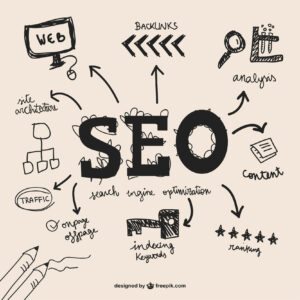
SEO (Search Engine Optimization):
in digital marketing refers to the process of optimizing a website to improve its visibility on search engines like Google. When users search for products, services, or information online, SEO helps ensure that your website appears at the top of search results. Higher rankings mean more organic traffic, better brand visibility, and increased trust among potential customers.
In digital marketing, SEO plays a long-term role by delivering consistent results without relying entirely on paid advertising. Businesses that invest in SEO gain a strong online presence and sustainable growth.
SEO (Search Engine Optimization) is the process of improving a website’s visibility on search engines like Google to attract more organic traffic and reach the right audience.
How SEO Works in Digital Marketing? What Is SEO in Digital Marketing? 
Search engines use complex algorithms to decide which websites deserve top positions. SEO works by aligning your website with these ranking factors. The key components include keyword research, content optimization, technical improvements, and link building.
Keyword research helps identify what users are searching for, while content optimization ensures those keywords are placed naturally within high-quality content. Technical SEO improves website speed, mobile usability, and crawlability. Off-page SEO, such as backlinks, helps build authority and trust for your website.
When these elements work together, search engines recognize your website as valuable and relevant, leading to better rankings.
Types of SEO in Digital Marketing
SEO is broadly divided into three main types:
On-Page SEO:
focuses on optimizing website elements like titles, meta descriptions, headings, internal links, images, and content quality.
Off-Page SEO:
involves activities outside your website, such as backlink building, brand mentions, and social signals that increase domain authority.
Technical SEO:
ensures your website is fast, secure, mobile-friendly, and easy for search engines to crawl and index.
Why SEO Is Important in Digital Marketing
SEO is one of the most important pillars of digital marketing because it drives targeted traffic. Users who find your website through search engines are actively looking for solutions, making them more likely to convert into leads or customers.
SEO also builds credibility and trust. Websites that rank higher are perceived as more reliable by users. Additionally, SEO provides better return on investment compared to paid ads, as results continue even after optimization work is done.
SEO and the Role of a Digital Marketer
A digital marketer uses SEO strategically to help brands grow online. This includes analyzing search trends, optimizing content, improving website structure, and tracking performance using analytics tools. Effective SEO requires expertise, continuous optimization, and a clear understanding of business goals.
What Exactly Does SEO Do? What Is SEO in Digital Marketing?
SEO helps search engines understand your website and helps users find the right content. When someone searches on Google, SEO ensures your website matches the search intent—whether the user wants information, a service, or a product. The better your website matches that intent, the higher it ranks.
SEO is not about tricking search engines. It’s about improving website quality, relevance, and user experience.
Keyword Research: The Foundation of SEO
What Is SEO in Digital Marketing? Keyword research is the backbone of SEO. It involves finding the exact words and phrases users type into search engines. Keywords are divided into:
Short-tail keywords (e.g., SEO)
Long-tail keywords (e.g., what is SEO in digital marketing)
Transactional keywords (buy, hire, service-based)
Informational keywords (how, what, why)
A professional digital marketer focuses on search intent, keyword difficulty, and competition before choosing keywords.
On-Page SEO: Optimizing Your Website Content
What Is SEO in Digital Marketing? On-page SEO ensures your content is optimized for both users and search engines. Key elements include:
SEO-friendly title tags and meta descriptions
Proper use of headings (H1, H2, H3)
Natural keyword placement
Internal linking for better navigation
Image optimization using alt text
High-quality, original content
Strong on-page SEO improves readability, engagement, and rankings.
Off-Page SEO: Building Authority and Trust
What Is SEO in Digital Marketing? Off-page SEO builds a website’s authority outside its own domain. The most important factor is backlinks—links from other trusted websites.
Effective off-page SEO includes:
High-quality backlink building
Guest posting
Brand mentions
Local citations
Social signals
Quality backlinks tell search engines that your website is trustworthy and valuable.
Technical SEO: Improving Website Performance
What Is SEO in Digital Marketing? Technical SEO focuses on the backend structure of a website. Without strong technical SEO, even great content may not rank. Important aspects include:
Website speed optimization
Mobile responsiveness
Secure HTTPS protocol
Clean URL structure
XML sitemaps and robots.txt
Fixing crawl errors and broken links
Google prioritizes websites that load fast and provide a smooth user experience.
Local SEO: Ranking for Nearby Searches
Local SEO is crucial for businesses targeting specific locations. It helps businesses appear in Google Maps and local search results.
Key local SEO practices include:
Google Business Profile optimization
Local keywords
NAP consistency (Name, Address, Phone)
Local backlinks and reviews
Local SEO is especially powerful for service-based businesses.
SEO Content Strategy: Ranking with Value
Content is the core of SEO. Google ranks content that solves problems and provides value. A strong SEO content strategy includes:
Blog posts targeting specific keywords
Informational guides and FAQs
Service pages optimized for conversions
Regular content updates
Content must be helpful, original, and aligned with user intent.
Measuring SEO Performance
SEO success is measured using data and analytics. Key performance indicators include:
Organic traffic growth
Keyword rankings
Click-through rate (CTR)
Bounce rate
Conversion rate
Tools like Google Analytics, Google Search Console, and SEO software help track progress and refine strategies.

Muhammed suhail mk
Suhail Muhammed
digital marketing strategist in kannur | seo expert
Suhail Muhammed is a results-driven digital marketer specializing in SEO and growth-focused online strategies. He helps brands build strong digital visibility and achieve measurable business success.